Propane Tank Safety for Griddles: Storage, Transport, and Refill Best Practices
By blackstoneproducts | Published: 2026-07-01
Category: Industry News
Learn essential propane tank safety tips for griddle owners: proper storage, transport, and refill procedures to prevent accidents and ensure worry-free outdoor cooking.
Cooking on a flat-top griddle is one of the most rewarding outdoor experiences—whether you're searing smash burgers at a tailgate or whipping up a mountain of breakfast for the family. But behind every sizzling surface is a propane tank that needs to be handled with care. Propane is a safe, efficient fuel when used correctly, but improper storage, careless transport, or rushed refills can turn a fun cookout into a dangerous situation.
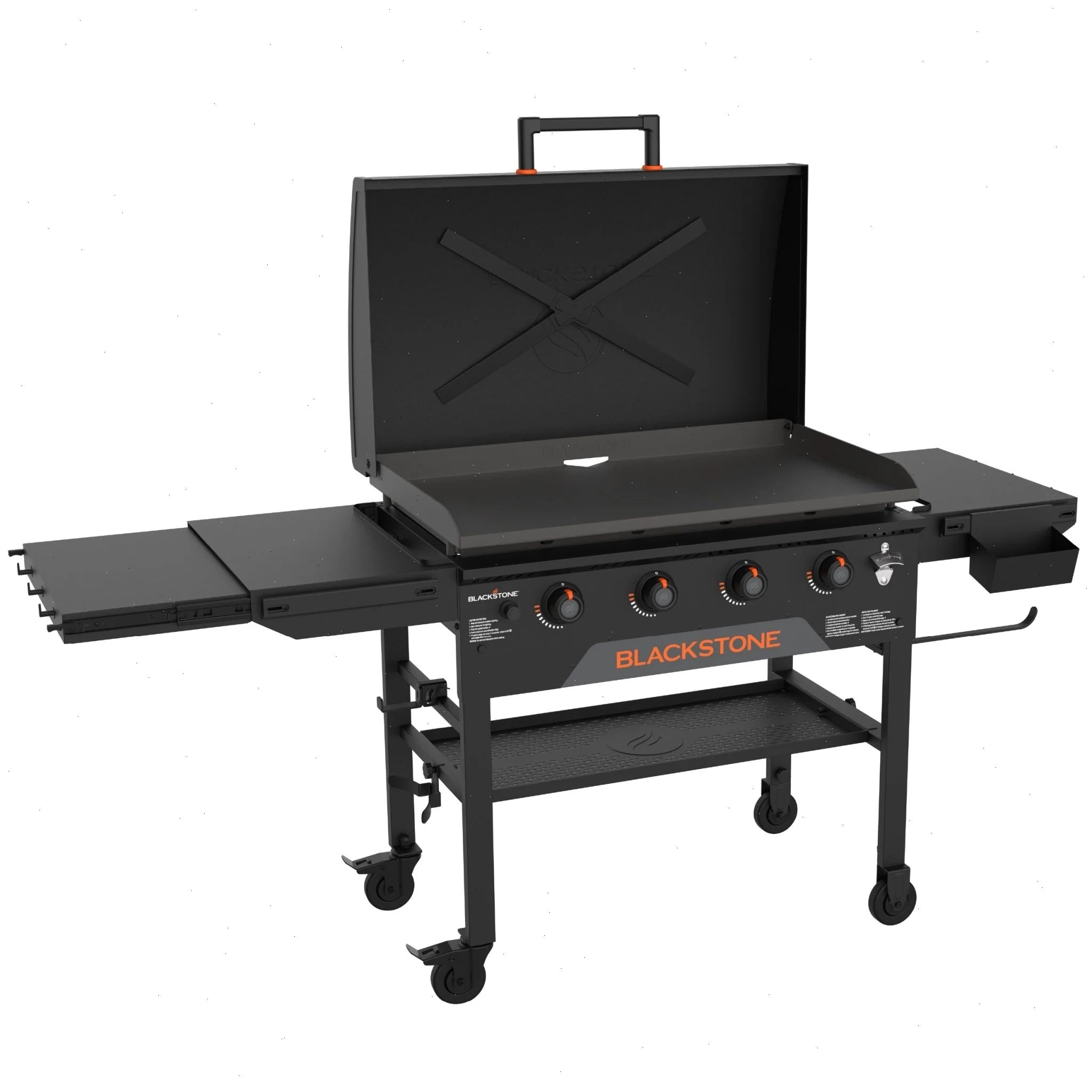
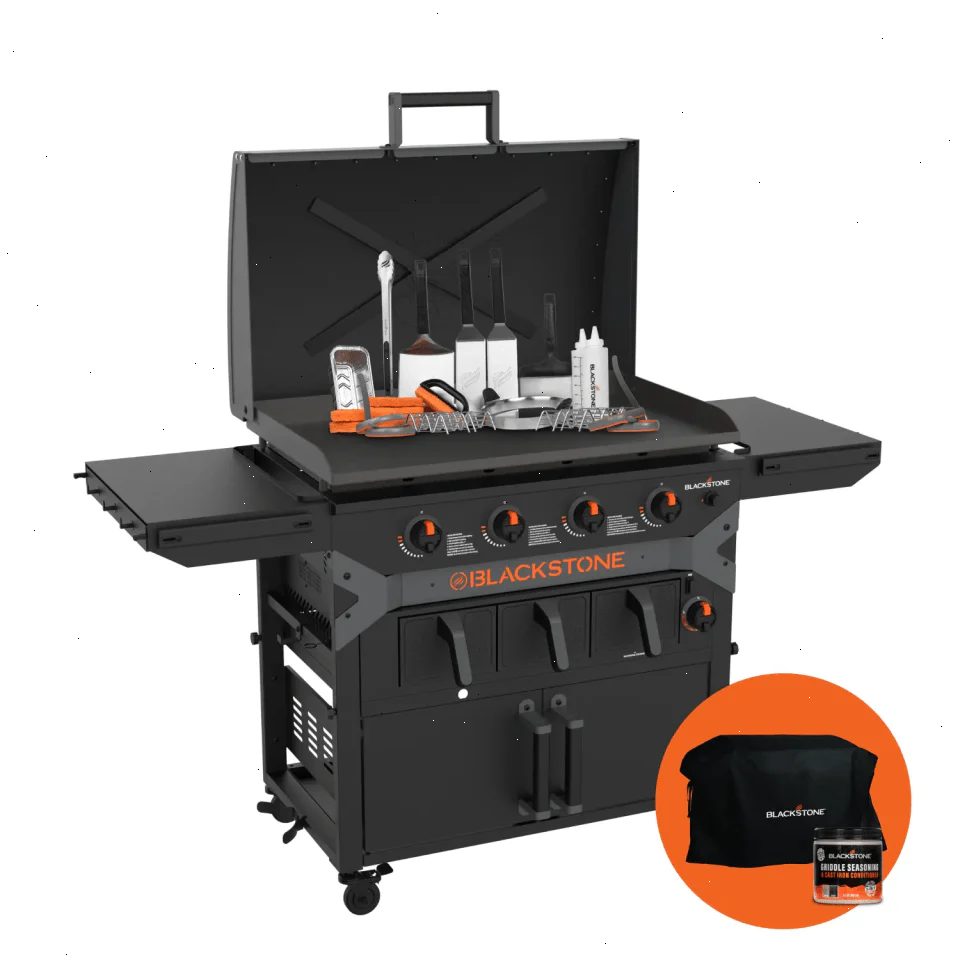
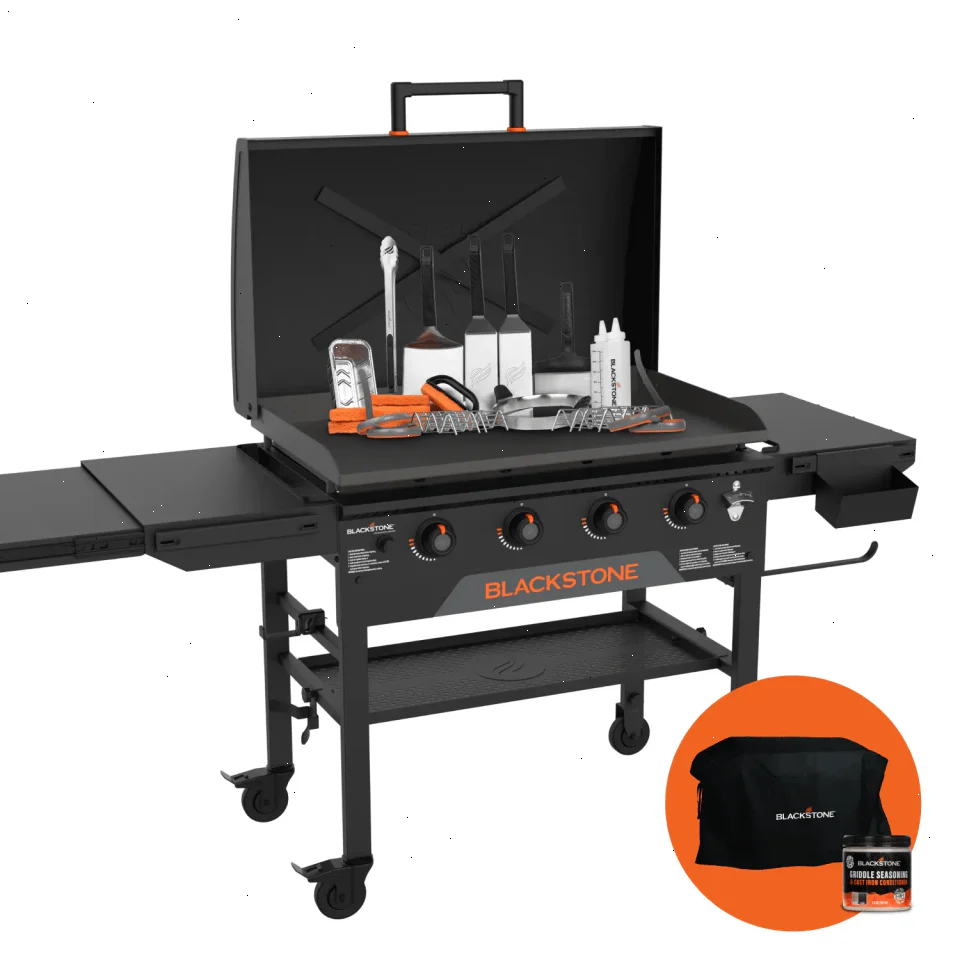
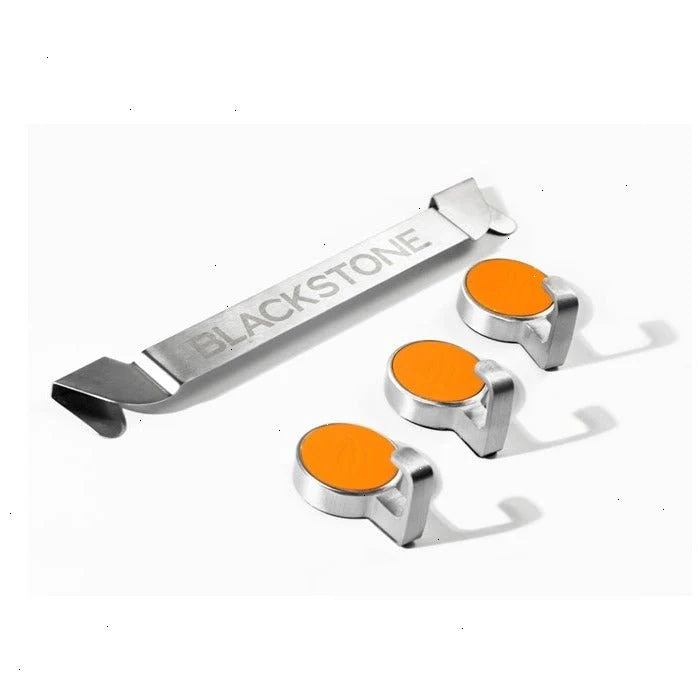
In this guide, we’ll walk through the best practices for propane tank safety specifically for griddle owners. From choosing the right tank size to storing it between uses, transporting it to refill stations, and performing routine checks, you’ll get actionable advice that keeps your outdoor kitchen running safely. We’ll also highlight a few Blackstone products that make propane management easier, like the Tool Holders for keeping gear organized and the 36" Griddle W/Hard Cover Bundle for protecting your cooking surface when not in use.
Understanding Propane Tank Basics for Griddle Cooking
Propane tanks for griddles typically come in 20-pound (standard barbecue size) or 5-pound portable sizes. The 20-pound tank is the most common for full-size flat tops like the 36" models, while smaller tanks work well for camping or compact units. Regardless of size, every tank must be equipped with an OPD (Overfill Prevention Device) valve, recognizable by its triangular handwheel. This safety feature prevents overfilling, which can lead to gas leaks or pressure buildup.
Always check the tank’s expiration date—stamped on the collar—before purchase or refill. A tank older than 12 years from its manufacture date must be recertified or replaced. Using an expired tank is not only unsafe but may also be refused by refill stations. For griddle owners, keeping a spare tank on hand ensures you never run out mid-cook, but both tanks must be stored properly to avoid hazards.
- Always use tanks with OPD valves (triangular handwheel).
- Check the expiration date stamped on the tank collar before each season.
- Keep a spare tank for uninterrupted cooking, but store both safely.
Safe Propane Tank Storage: Location, Temperature, and Ventilation
Where you store your propane tank is just as important as how you use it. The golden rule: always store tanks outdoors in a well-ventilated area, away from direct sunlight, heat sources, and open flames. Never bring a propane tank inside your home, garage, or shed—even temporarily. Propane is heavier than air, so a leak will settle at ground level, creating an explosion risk in enclosed spaces.
Temperature matters too. Propane tanks should be kept below 120°F (49°C). In summer, avoid leaving tanks on hot concrete or inside a car trunk. If you store your griddle under a cover, ensure the tank is removed and placed in a shaded, ventilated spot. For added convenience, consider using the 36" Griddle W/Hard Cover Bundle—the hard cover protects your griddle top, but the tank should still be disconnected and stored separately when not in use for extended periods.
- Store tanks outdoors, upright, and on a stable, non-flammable surface.
- Keep tanks away from grills, pilot lights, and electrical equipment.
- Never store propane tanks indoors, including garages and basements.
Transporting Propane Tanks Safely to Refill Stations
Transporting a propane tank in your vehicle requires caution. Always secure the tank upright in a well-ventilated area—ideally in a truck bed or cargo area with a non-slip mat. If you must place it inside an SUV or hatchback, open windows for cross-ventilation and keep the tank away from passengers. Never lay a tank on its side during transport; the relief valve can become blocked, and liquid propane may escape.
Before loading, double-check that the valve is fully closed and the protective cap is in place. Avoid transporting tanks in extreme heat or for long distances without breaks. When you arrive at the refill station, leave the tank in your vehicle until you’re ready to exchange or refill. Many stations offer exchange services, but for griddle owners who cook frequently, refilling your own tank is more economical. Keep your griddle accessories like the Tool Holders handy to organize your gear after refueling.
- Transport tanks upright with the valve closed and cap on.
- Never leave a tank in a hot car for extended periods.
- Use tank exchange services for convenience or refill for cost savings.
Refill Best Practices: Inspect, Purge, and Fill Correctly
When refilling your propane tank, start with a visual inspection. Look for rust, dents, or damage to the collar, valve, or cylinder. If you see any signs of wear, do not refill—replace the tank. A certified attendant should also check for leaks using a soap-and-water solution. Once cleared, the tank should be purged of air before filling to ensure only propane enters.
The fill process should stop automatically when the OPD valve engages—never force more propane in. Overfilling can cause the relief valve to vent gas, creating a fire hazard. After refill, apply a leak test to the valve connection using soapy water. Bubbles indicate a leak that must be fixed before use. For griddle owners who cook often, keeping a dedicated tank for your 36" Griddle W/Hard Cover Bundle ensures you always have a safe, ready-to-use fuel source.
- Inspect the tank for damage before every refill.
- Never overfill—stop when the OPD valve clicks.
- Perform a leak test after each refill using soapy water.
Connecting and Disconnecting Your Propane Tank to the Griddle
Connecting a propane tank to your griddle is straightforward, but safety checks are non-negotiable. First, ensure the griddle’s control knobs are in the OFF position. Attach the regulator hose to the tank valve by turning the nut clockwise by hand—do not use tools, as overtightening can damage the threads. Then, slowly open the tank valve and listen for any hissing sounds. Apply a soapy water solution to the connection point; bubbles indicate a leak that must be addressed.
When disconnecting, always close the tank valve first and allow the gas in the hose to burn off by turning on a burner briefly. Then, disconnect the regulator. Store the tank with the valve closed and the protective cap on. For added safety, consider using a griddle cover like the 36" Griddle W/Hard Cover Bundle to protect your cooking surface from debris when the griddle is not in use, especially if stored outdoors.
- Always turn off the griddle knobs before connecting the tank.
- Hand-tighten the regulator nut—no wrenches needed.
- Perform a leak test every time you connect a new tank.
Seasonal Maintenance and Long-Term Storage of Propane Tanks
If you live in a region with cold winters, you may store your griddle for months. Before long-term storage, disconnect the propane tank and close the valve completely. Store the tank in a dry, ventilated area off the ground—never on concrete, which can accelerate rust. Cover the valve with its plastic cap to keep out dirt and moisture. Inspect the tank at the start of each season for rust, dents, or valve damage.
For griddle owners who use their flat top year-round, rotate your tanks to ensure one is always full. Keep your griddle accessories organized with the Tool Holders so you can quickly access your scraper, spatula, and leak-test solution. Proper maintenance extends the life of your tank and ensures safe operation every time you cook. Remember, a well-maintained tank is the foundation of a worry-free outdoor cooking experience.
- Store tanks off concrete floors to prevent rust.
- Inspect tanks at the start of each cooking season.
- Rotate spare tanks to always have a full one ready.
Propane tank safety doesn’t have to be complicated, but it does require consistent habits—from proper storage and transport to careful refills and regular inspections. By following these best practices, you can enjoy countless griddle meals with peace of mind. To keep your griddle setup organized and protected, check out the 36" Griddle W/Hard Cover Bundle—it’s the perfect companion for safe, convenient outdoor cooking all year round.