How to Griddle-Cook Different Cuts of Steak: Ribeye, Sirloin, and Filet Mignon Compared
By blackstoneproducts | Published: 2026-06-30
Category: How-to Guides
Learn the best techniques for cooking ribeye, sirloin, and filet mignon on a Blackstone griddle. Includes temperature tips, seasoning advice, and recommended accessories for perfect steak every time.
There is nothing quite like the sizzle of a steak hitting a hot flat top. Whether you are a seasoned griddle enthusiast or just starting out, mastering steak on a Blackstone griddle opens up a world of flavor and convenience. Unlike a traditional grill, a flat top provides even heat distribution, superior crust formation, and the ability to cook multiple cuts side by side without cross-contamination. In this guide, we will compare three popular steak cuts—ribeye, sirloin, and filet mignon—and show you exactly how to cook each one to perfection on your griddle. We will also cover essential temperature guidelines, seasoning strategies, and the tools that make the process effortless.
Why the Griddle Is Perfect for Steak
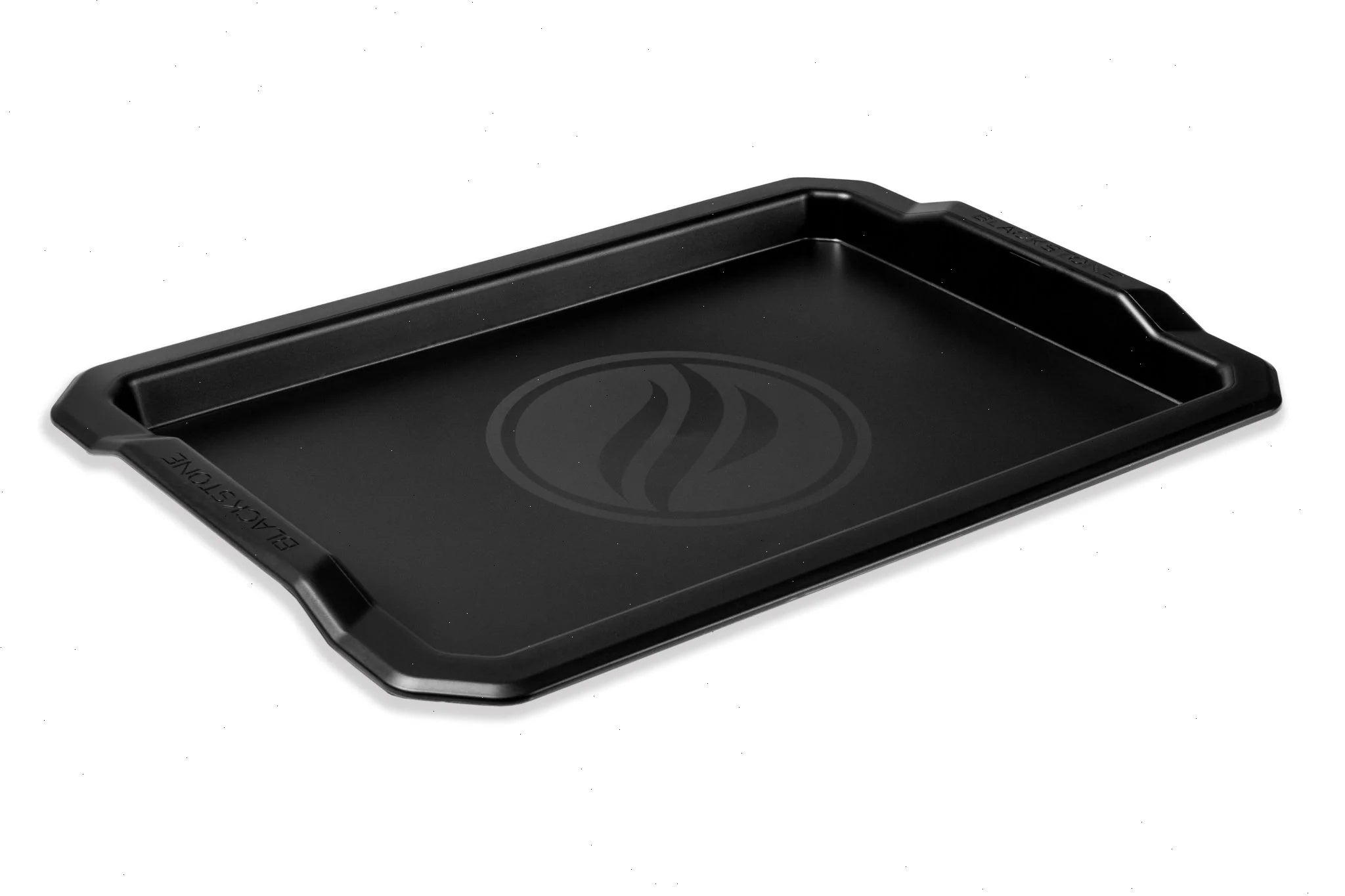
Cooking steak on a griddle offers several advantages over grilling or pan-searing. The large, flat surface allows you to achieve a consistent Maillard reaction across the entire cut, resulting in a deep, caramelized crust. The griddle also captures all the juices and rendered fat, which you can use to baste or cook accompanying vegetables. Plus, cleanup is a breeze—just scrape and wipe. For the best results, you will want a reliable cooking surface and accessories that enhance your workflow. One handy tool is the Serving Trays (4-Pack), which lets you plate your steaks and sides without juggling hot pans.
Understanding Steak Cuts: Ribeye, Sirloin, and Filet Mignon
Before you fire up the griddle, it helps to know what makes each cut unique. Ribeye is known for its abundant marbling, which keeps it juicy and flavorful even when cooked to medium or medium-well. Sirloin is leaner and more affordable, with a robust beefy flavor that benefits from quick, high-heat cooking. Filet mignon is the tenderest cut, with very little fat, so it requires careful temperature management to avoid drying out. Each cut responds differently to the same griddle heat, so adjusting your technique is key.
Ribeye on the Griddle
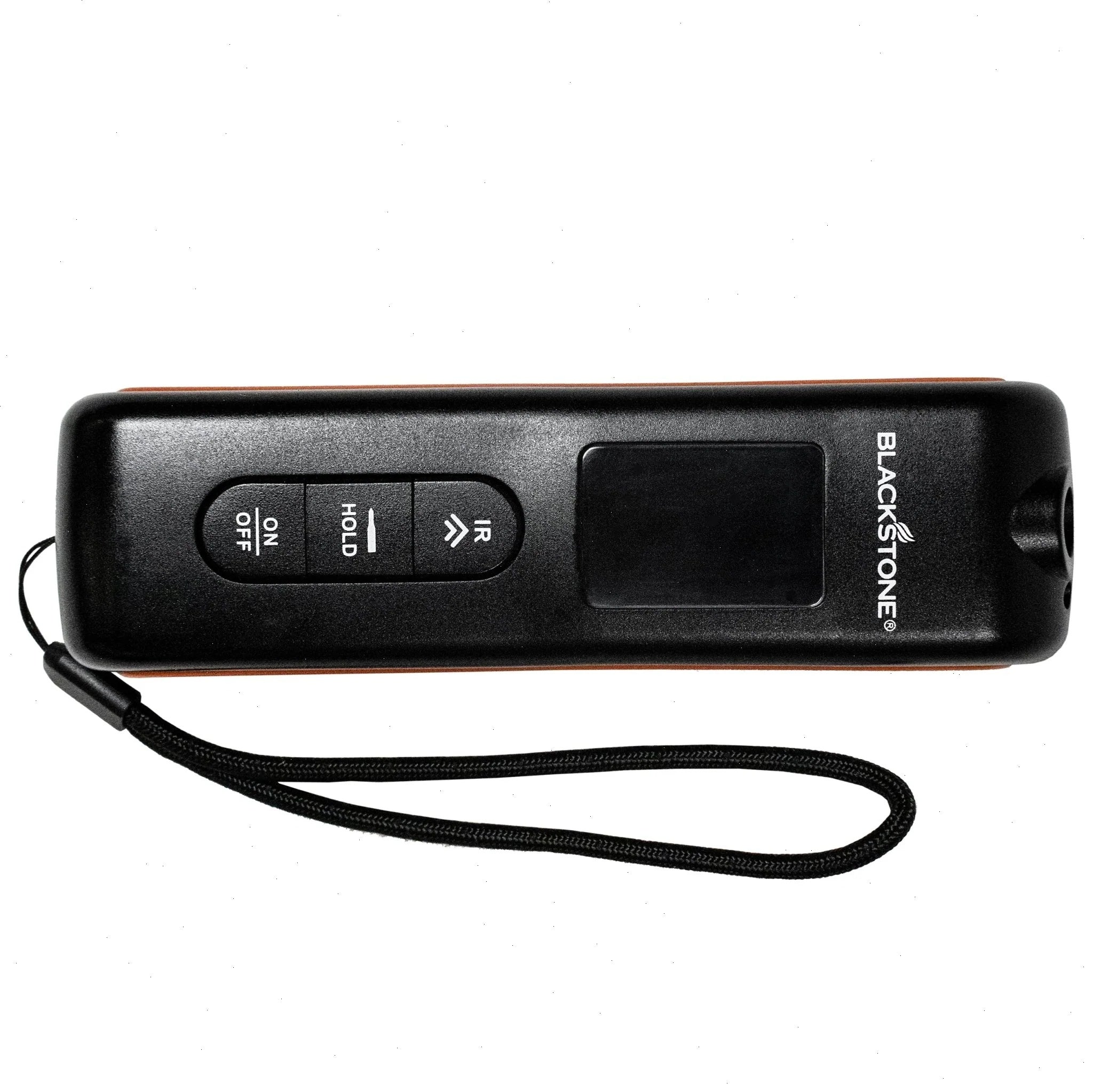
Ribeye is the champion of flat-top cooking. Its high fat content means it can handle higher temperatures without becoming tough. Preheat your griddle to medium-high (around 400°F to 450°F). Pat the steak dry, season generously with salt and pepper, and place it on the griddle. Cook for 4–5 minutes per side for medium-rare, or until the internal temperature reaches 130°F–135°F. Let it rest for 5 minutes before slicing. The rendered fat will create a natural non-stick layer, and the crust will be magnificent. For precise temperature checks, the Infrared Thermometer with Probe is invaluable—it lets you monitor both surface heat and internal doneness instantly.
Sirloin on the Griddle
Sirloin is a leaner cut that can become chewy if overcooked. The trick is to cook it quickly over high heat (425°F–450°F) and aim for medium-rare to medium doneness. Season the steak just before cooking—salt draws out moisture, so avoid seasoning too early. Cook for 3–4 minutes per side, flipping only once. Use a meat thermometer to confirm an internal temperature of 135°F for medium-rare. Because sirloin has less fat, you may want to add a small pat of butter during the last minute of cooking to boost richness. Pair it with grilled vegetables or a simple salad for a balanced meal.
Filet Mignon on the Flat Top
Filet mignon is prized for its buttery texture, but its lack of fat means it can dry out quickly. Cook it over medium-high heat (375°F–400°F) to allow the interior to cook through without burning the exterior. For a 1.5-inch-thick filet, sear for 3–4 minutes per side, then move it to a cooler part of the griddle (or reduce heat) to finish. Target an internal temperature of 125°F–130°F for rare to medium-rare. Basting with butter and fresh herbs during the final minute adds incredible flavor. Because filet is so tender, handle it gently with a spatula to avoid breaking the crust.
Temperature Guide for Griddle Steak Cuts
| Cut | Griddle Temperature | Target Internal Temp (Medium-Rare) | Cook Time (per side, 1-inch thick) |
|---|---|---|---|
| Ribeye | 400°F–450°F | 130°F–135°F | 4–5 minutes |
| Sirloin | 425°F–450°F | 135°F | 3–4 minutes |
| Filet Mignon | 375°F–400°F | 125°F–130°F | 3–4 minutes |
Seasoning and Flavor Tips for Each Cut
While salt and pepper are classic, each cut benefits from a tailored approach. For ribeye, a bold steak seasoning with garlic and onion powder complements the rich fat. Sirloin shines with a simple dry rub of smoked paprika and cumin. Filet mignon pairs beautifully with a light coating of coarse sea salt and fresh cracked pepper, finished with a compound butter. Always season immediately before cooking to preserve moisture. If you are preparing multiple steaks, use separate areas of the griddle to avoid mixing flavors, and consider using the OTG Food Prep Kit to organize your seasonings and tools for a seamless cook.
Tools and Accessories for Griddle Steak Success
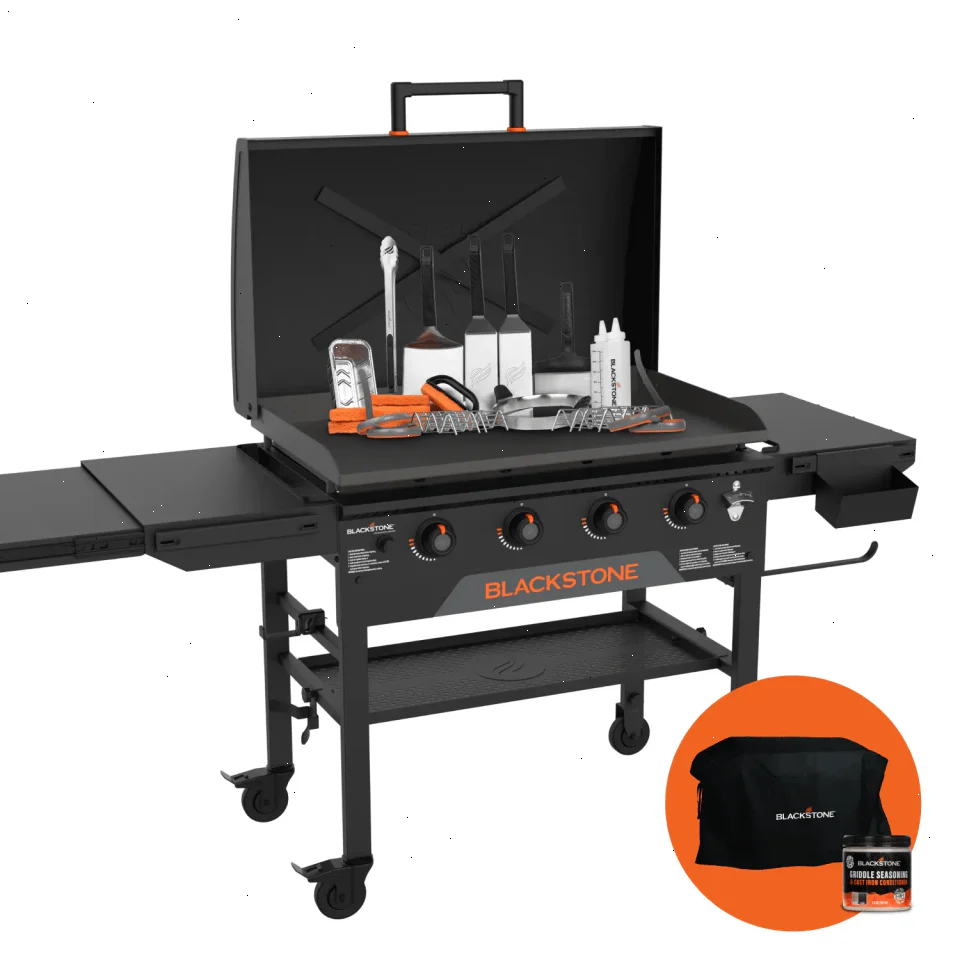
Beyond the griddle itself, a few accessories can elevate your steak game. A reliable thermometer is non-negotiable—the Infrared Thermometer with Probe gives you dual readings for surface and meat. A good spatula set helps with flipping and pressing. For serving, the Serving Trays (4-Pack) allow you to rest and present steaks without transferring to cold plates. And after cooking, a quality cover protects your investment—check out the 36" PRO SERIES GRIDDLE COVER for large models.
Common Mistakes to Avoid
- Overcrowding the griddle: Give each steak space to sear; overcrowding lowers the temperature and steams the meat.
- Flipping too often: Let the steak develop a crust before flipping—usually 3–4 minutes per side.
- Not resting: Resting for 5 minutes allows juices to redistribute, resulting in a more tender bite.
- Using cold meat: Let steaks sit at room temperature for 20–30 minutes before cooking for even doneness.
- Ignoring carryover cooking: Steaks continue to cook after removal; pull them 5°F below your target temperature.
Conclusion: Your Perfect Steak Awaits
Whether you crave the marbled richness of ribeye, the lean beefiness of sirloin, or the melt-in-your-mouth tenderness of filet mignon, your Blackstone griddle is the ultimate tool for the job. By understanding each cut's unique characteristics and adjusting your heat and timing accordingly, you can serve restaurant-quality steak right in your backyard. Start with the right accessories to make the process smoother and more enjoyable. Ready to cook the perfect steak tonight? Explore the Infrared Thermometer with Probe to take the guesswork out of temperature control and achieve steakhouse results every time.