How to Convert Your Griddle to Natural Gas: A Step-by-Step Safety Guide
By blackstoneproducts | Published: 2026-06-24
Category: How-to Guides
Learn how to safely convert your propane griddle to natural gas. Step-by-step instructions, tools needed, and safety tips for a seamless fuel conversion.
If you love outdoor cooking but are tired of running out of propane mid-burger, converting your griddle to natural gas is a game changer. Natural gas provides a continuous, cost-effective fuel supply—no more swapping tanks or guessing how much propane is left. Whether you’re building a permanent outdoor kitchen or just want to simplify your cook setup, this guide covers everything you need to know about griddle natural gas conversion. We’ll walk through safety checks, tools, step-by-step instructions, and which Blackstone models work best for this upgrade.
Why Convert Your Griddle to Natural Gas?
Propane is portable and convenient, but natural gas offers distinct advantages for dedicated outdoor cooking stations. Here are the top reasons to make the switch:
- Unlimited fuel: No more refilling tanks or running out mid-meal.
- Lower cost: Natural gas is generally cheaper per BTU than propane.
- Cleaner burn: Natural gas produces fewer impurities, which can extend the life of your griddle components.
- Convenience: A direct gas line means one less thing to remember before cooking.
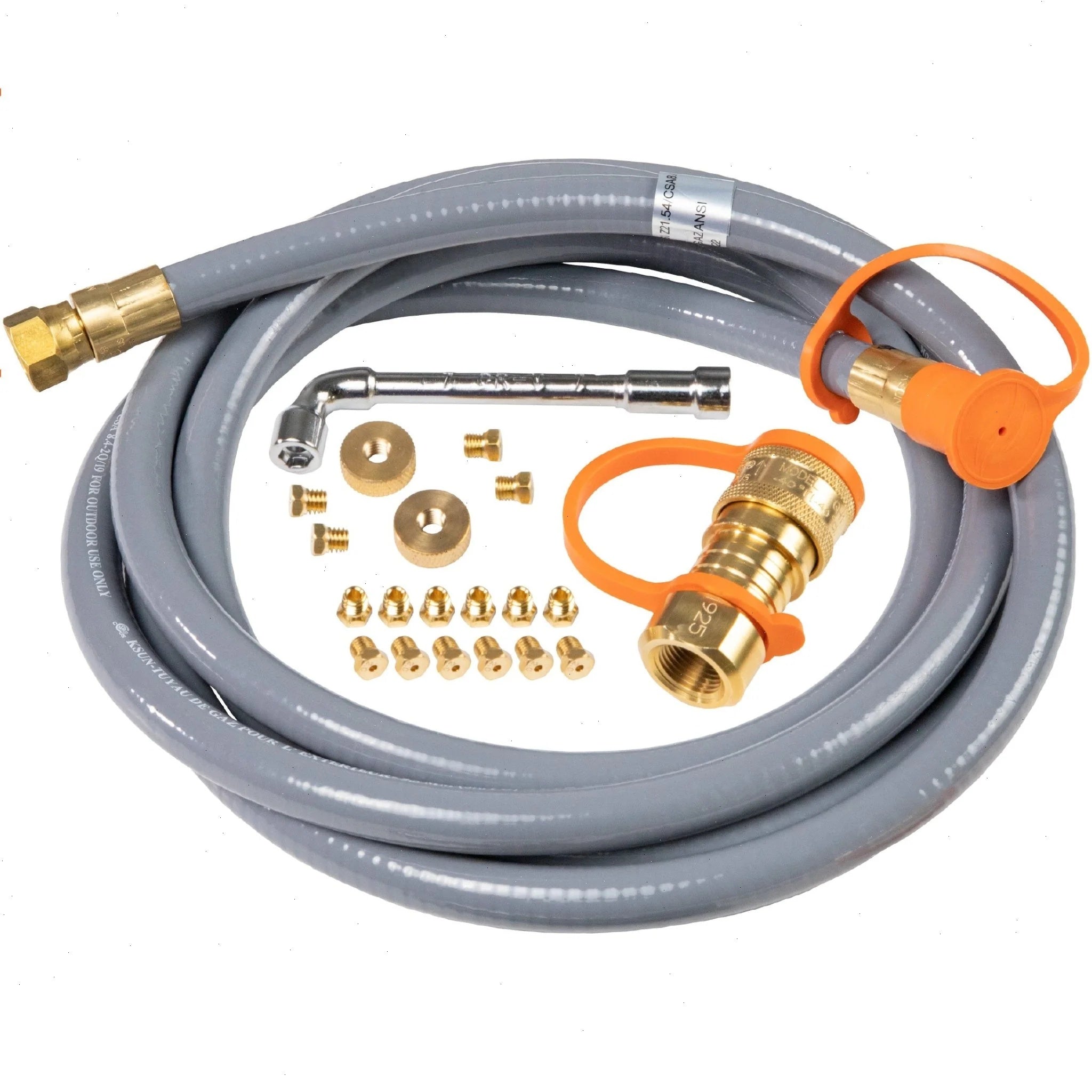
That said, conversion is not a simple plug-and-play. It requires a specific blackstone natural gas kit or conversion orifice set designed for your griddle model. Attempting a conversion without the correct parts can be dangerous.
Safety First: Critical Rules for Natural Gas Conversion
Before you touch any fittings, understand these non-negotiable safety guidelines:
- Use only manufacturer-approved conversion kits. Never drill or modify gas orifices yourself.
- Turn off the gas supply at the source and disconnect propane tanks before starting.
- Work in a well-ventilated area. Natural gas is lighter than air but still flammable.
- Leak test every connection after installation using a soapy water solution. Bubbles indicate a leak.
- Consult a licensed gas fitter if you’re unsure about local codes or your home’s gas line setup.
Natural gas operates at a lower pressure than propane, so the orifices (the tiny holes that meter gas flow) must be larger. Using propane orifices with natural gas can cause dangerously low flames or incomplete combustion.
What You’ll Need for the Conversion
Gather these tools and parts before beginning:
- Natural gas conversion kit (specific to your Blackstone model)
- Wrench set (usually 3/8-inch and 7/16-inch)
- Screwdriver (Phillips or flathead depending on your griddle)
- Soapy water spray bottle for leak testing
- Pipe thread sealant (rated for natural gas)
- Flexible gas hose (if not included in the kit)
- Shut-off valve (if not already on your gas line)

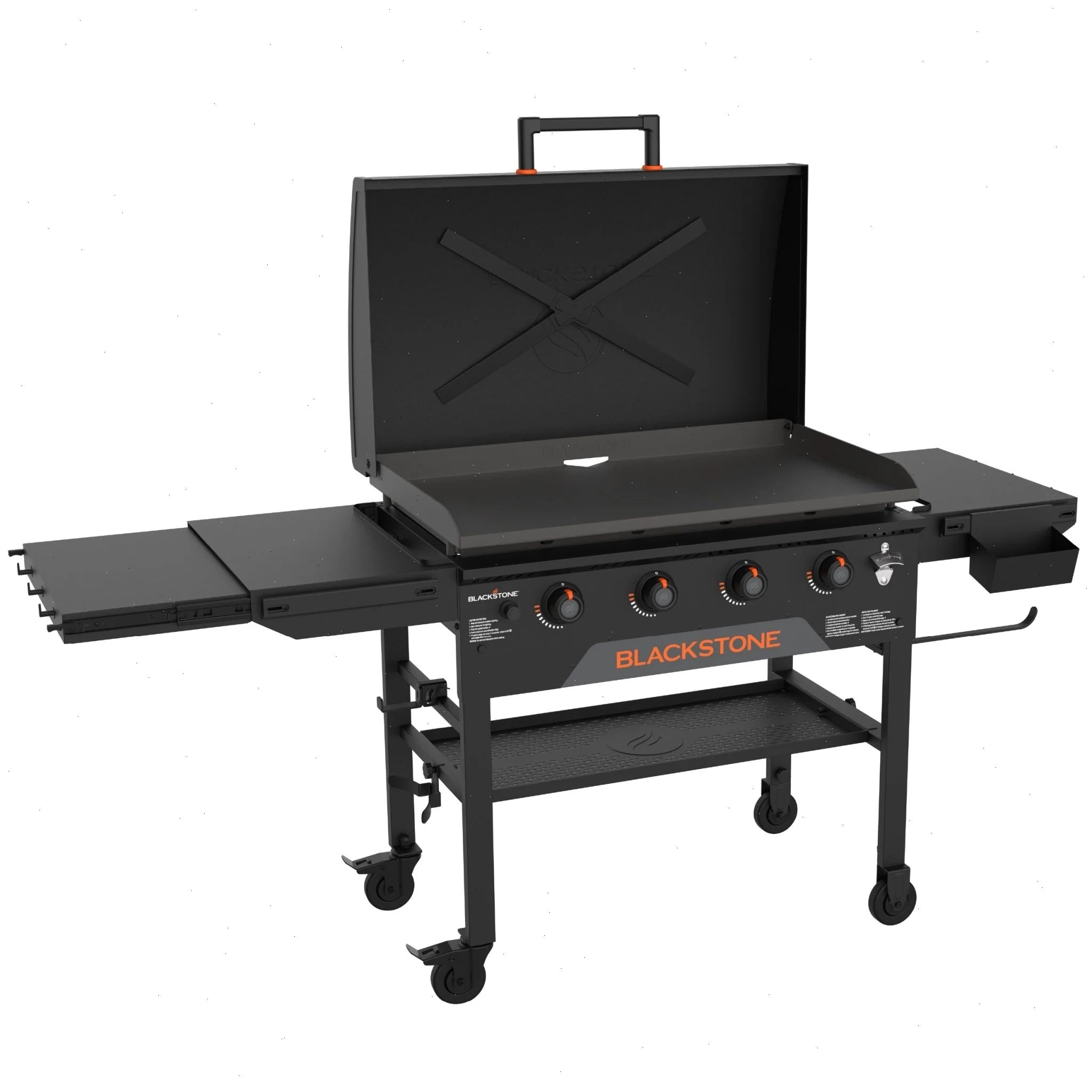
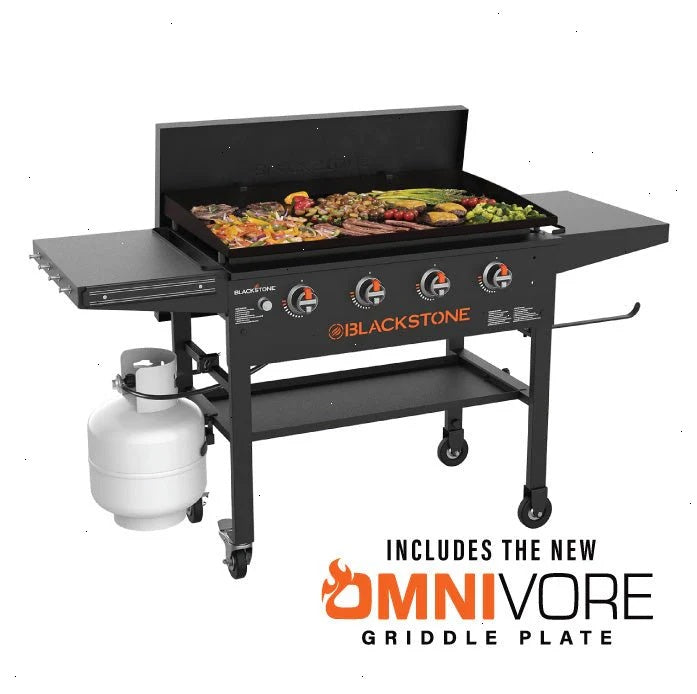
For Blackstone’s popular models like the 36" Omnivore Griddle w/ Hard Cover, conversion kits are readily available and straightforward to install.
Step-by-Step: Converting Your Propane Griddle to Natural Gas
Step 1: Disconnect Propane and Remove Regulator
Ensure the propane tank valve is fully closed. Disconnect the propane hose from the tank. Remove the regulator assembly from the griddle’s gas manifold. On most Blackstone models, the regulator is held by a bracket and two nuts.
Step 2: Replace the Orifices
Each burner has a small brass orifice. Using a wrench, carefully unscrew the propane orifices. Screw in the larger natural gas orifices from your conversion kit. Do not overtighten—just snug plus a quarter turn. Repeat for all burners.
Step 3: Install the Natural Gas Regulator
Your kit should include a natural gas regulator (often preset for 4 inches of water column pressure). Attach it to the manifold using the same bracket. Connect the included natural gas hose to the regulator outlet.
Step 4: Connect to Your Home’s Gas Line
If you have a dedicated gas stub-out, attach a shut-off valve first. Then connect the flexible hose from the griddle to the valve. Use pipe thread sealant on all male threads—never Teflon tape on flare fittings. Tighten with a wrench.
Step 5: Leak Test Everything
Turn on the gas at the shut-off valve. Spray soapy water on every connection: where the hose meets the regulator, where the regulator meets the manifold, and each orifice. If you see bubbles, turn off the gas and retighten. No bubbles means you’re safe.
Step 6: Light and Test the Burners
Open the griddle lid. Turn each burner to high and light with a long lighter. The flame should be blue with a slight yellow tip—if it’s mostly yellow or lazy, you may have a blockage. Adjust the air shutter if your model allows it.
Which Blackstone Models Are Convertible?
Most Blackstone griddles can be converted, but some are easier than others. The 36" Omnivore Griddle w/ Hard Cover and 28" Griddle Bundle both have readily available natural gas conversion kits. Smaller models like the 17" Tabletop Griddle are designed for portability and may not have a dedicated conversion kit—check the manufacturer’s specifications.
Troubleshooting Common Issues
- Low flame: You may need to adjust the air shutter. Open it slightly for more oxygen.
- Yellow flames: Indicates incomplete combustion. Check for clogged orifices or low gas pressure.
- Uneven heating: Ensure all orifices are the same size and clean. Also check that your griddle is level.
- Gas smell after conversion: Immediately turn off the gas. Re-check all connections with soapy water. If smell persists, call a professional.
Griddle Cooking After Conversion: What Changes?
Once converted, your griddle will behave slightly differently. Natural gas provides a slightly lower BTU output than propane (about 10-15% less), but the difference is negligible for most cooking. You may need to preheat slightly longer. The heat distribution remains excellent, especially on models with the Omnivore plate technology.
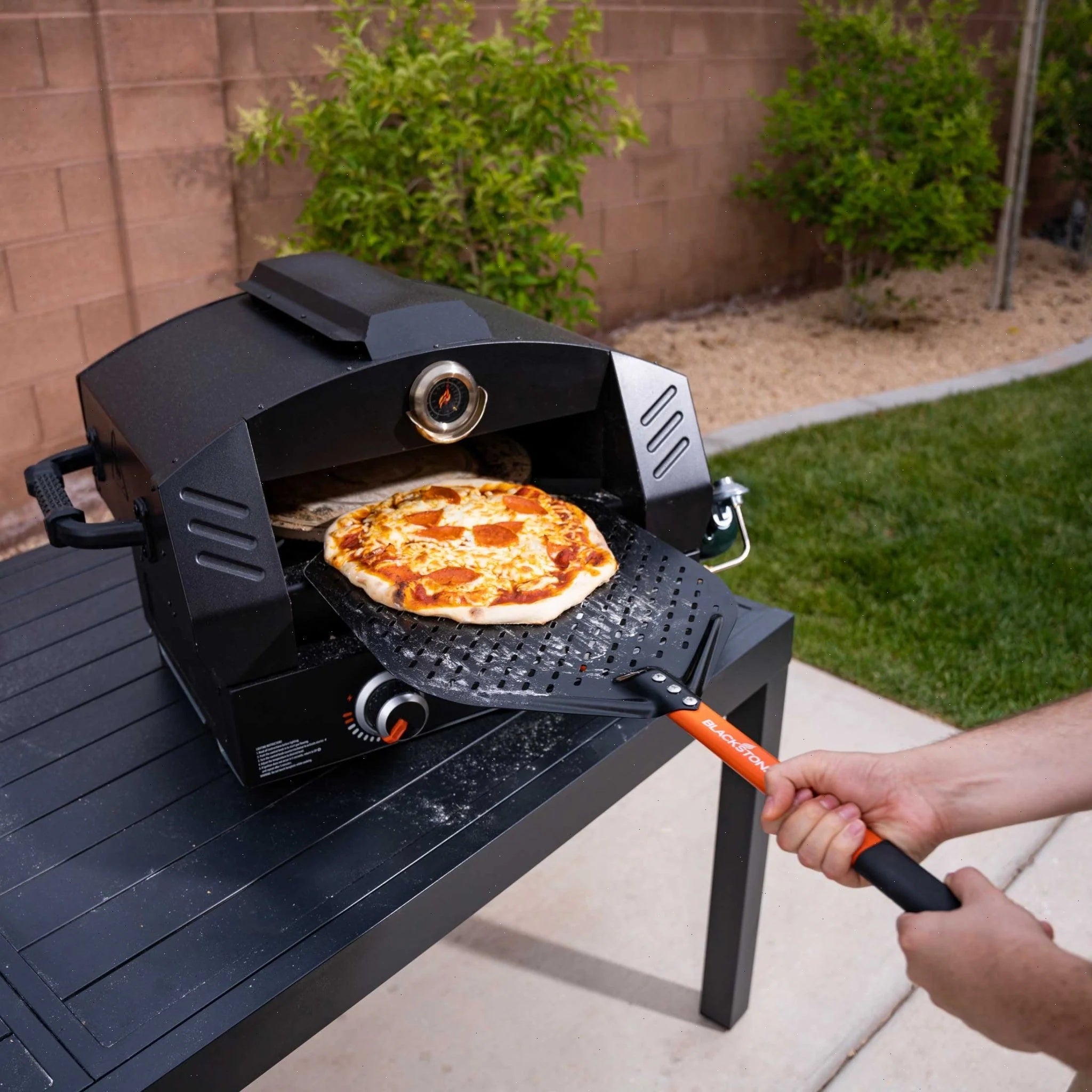
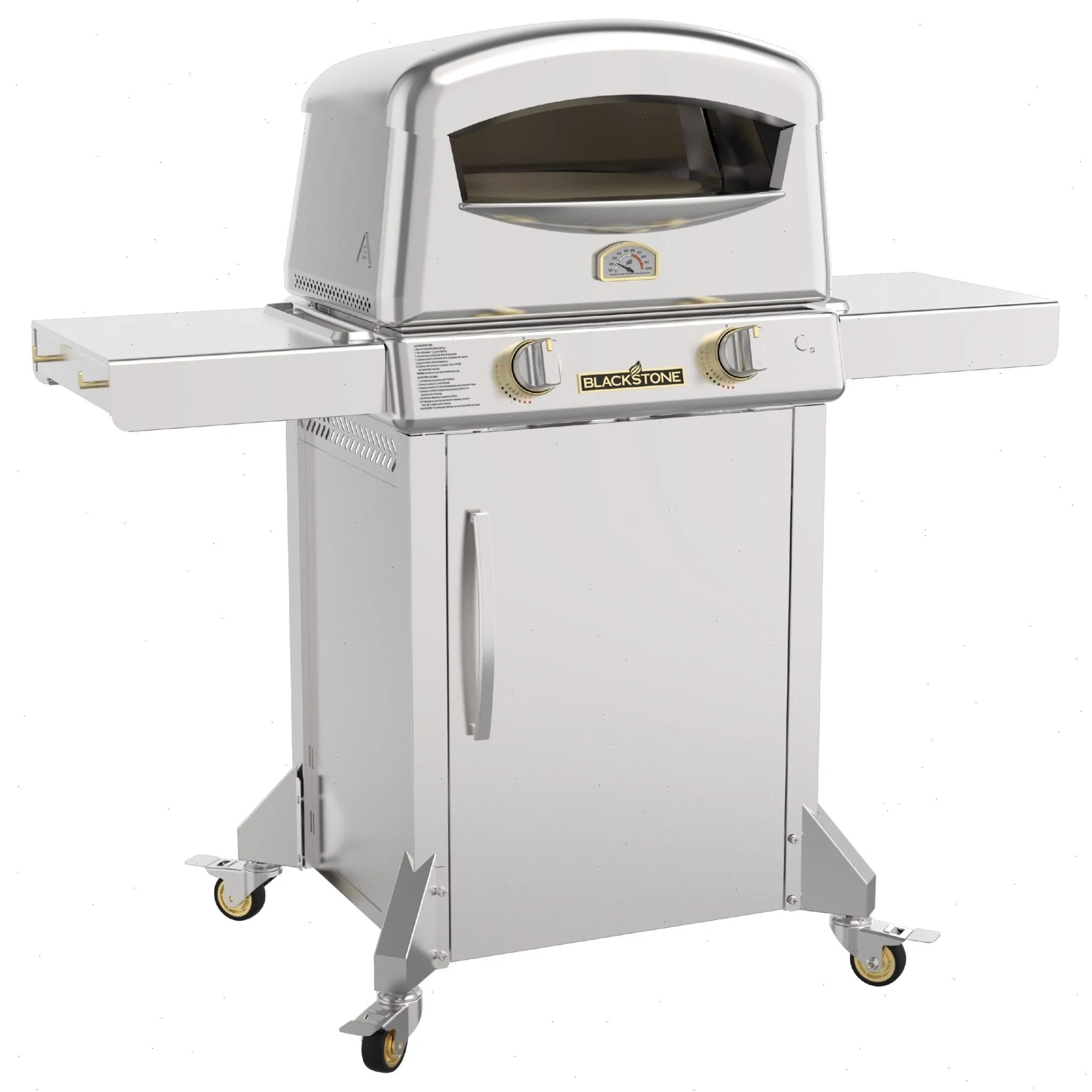
Your cooking techniques stay the same: burgers, pancakes, eggs, and even pizza all work beautifully. For cleanup, the same care applies—scrape, oil, and cover. A sturdy cover like the 22" Portable Pizza Oven Cover (also compatible with some griddle models) helps protect your investment.
Frequently Asked Questions
Can I convert my griddle back to propane?
Yes, if you keep the original propane orifices and regulator. Simply reverse the steps. Store the propane parts in a sealed bag for future use.
Do I need a professional to install the gas line?
If you’re tapping into an existing gas line or running a new one, hire a licensed plumber or gas fitter. The conversion kit installation itself is DIY-friendly.
Will converting void my warranty?
Using a manufacturer-approved conversion kit generally does not void the warranty. Always check Blackstone’s policy for your specific model.
Final Thoughts: Is Natural Gas Right for You?
Converting your griddle to natural gas is a smart move if you have a permanent outdoor cooking area. It eliminates the hassle of propane tanks and lowers your long-term fuel costs. With the right kit and careful attention to safety, the conversion is a straightforward weekend project.
Ready to level up your griddle setup? Explore the 36" Omnivore Griddle w/ Hard Cover and its compatible conversion accessories—or pick a bundle that includes everything you need to get started on natural gas today.